Wild Caught or Hatchery Raised?
In Maine all oyster farms use hatchery seed to supply their farms with the oysters they intend to grow, ensuring reliable supply of seed each year. Contrary to this, Maine mussel farms rely on collecting wild spat from the ocean that naturally settle on their grow-out gear either in the spring or fall. So, where’s the disconnect between mussels and hatcheries? Mussel spatfall has become increasingly difficult to predict not only here in Maine but internationally. In response to this some countries, such as New Zealand, have implemented the use of hatchery produced seed, rather than wild caught spat, to supply their farms with their juvenile mussels. In Maine, Blue Hill Bay Mussels (BHBM) is the only farm exclusively using hatchery seed on their farm.
History of Blue Hill Bay Mussels
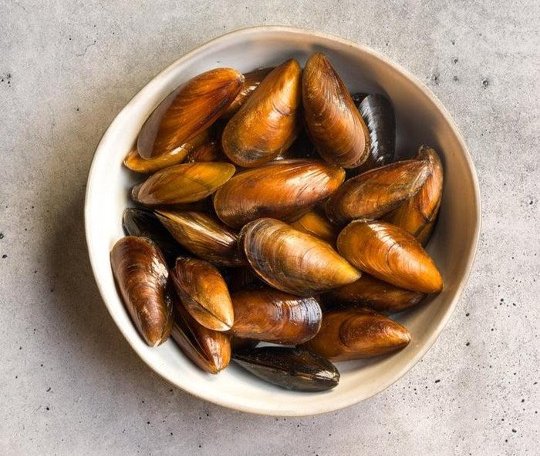
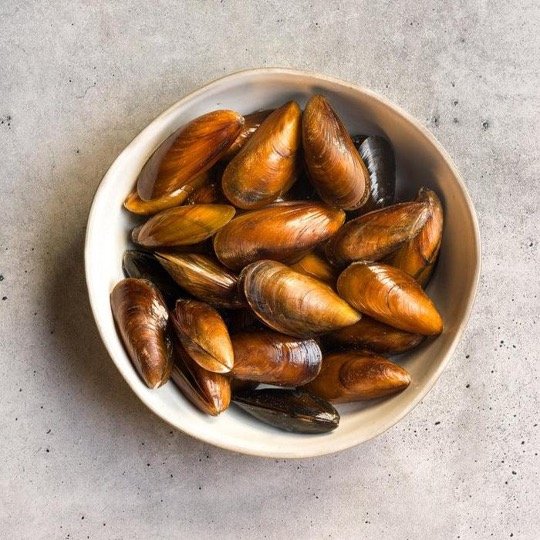
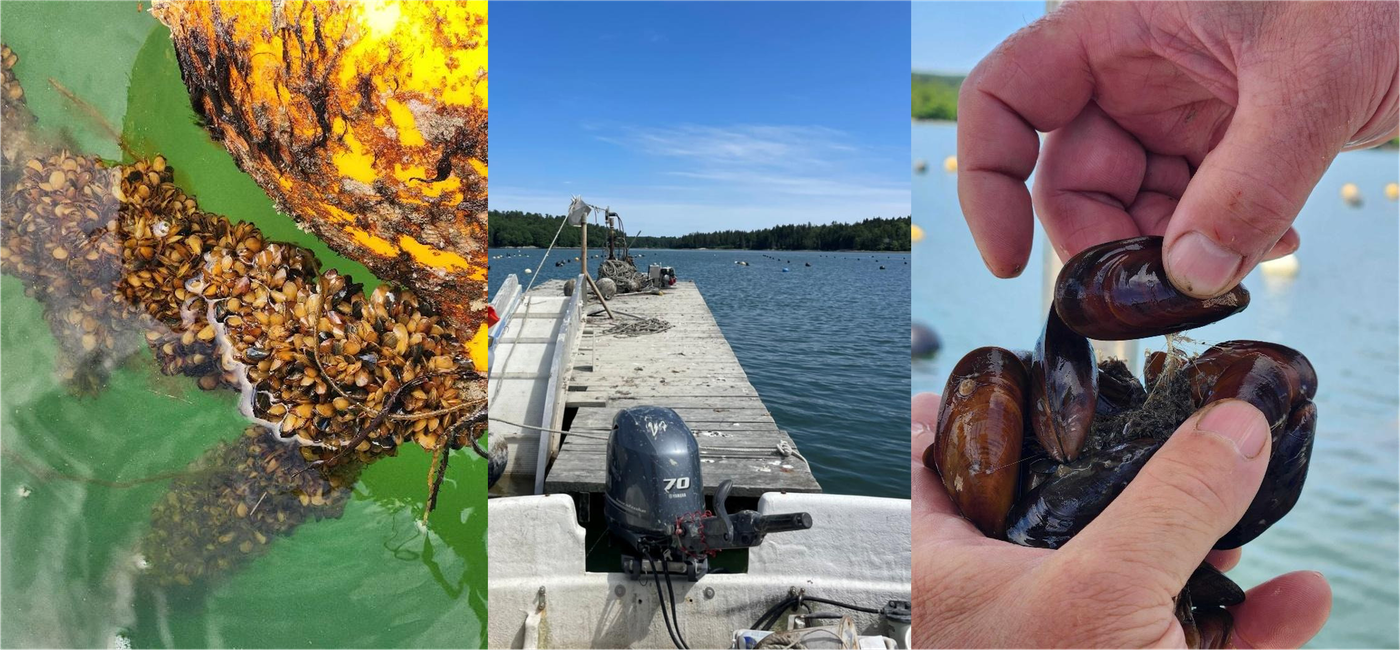
Evan Young started BHBM in 1999 and after experiencing a bad year where mussel seed was limited, he started thinking about the future of his business and hatchery produced mussel seed. Teaming up with the Downeast Institute (DEI) they worked to create a mussel that was unique to BHBM. Eastern blue mussels have a variety of color morphs that create a range of colors and patterns exhibited on their shell, this includes a brown/blonde color morph. Through selective breeding of wild mussels with the brown/blonde phenotype, DEI was able to achieve a spawn where 90% hatchery bred mussels will exhibit this color morph. It was those mussels selected and subsequently trademarked as Maine Gold™ mussels. BHBM values being the producer of Maine Gold™ mussels as it allows their mussels to be identifiable, a distinction that as for the most part been unattainable in the mussel industry. Additionally, by using hatchery seed BHBM avoids the stress of a bad seed year and ensures they have access to a reliable source of seed each year.
Early Life Stages at the Hatchery
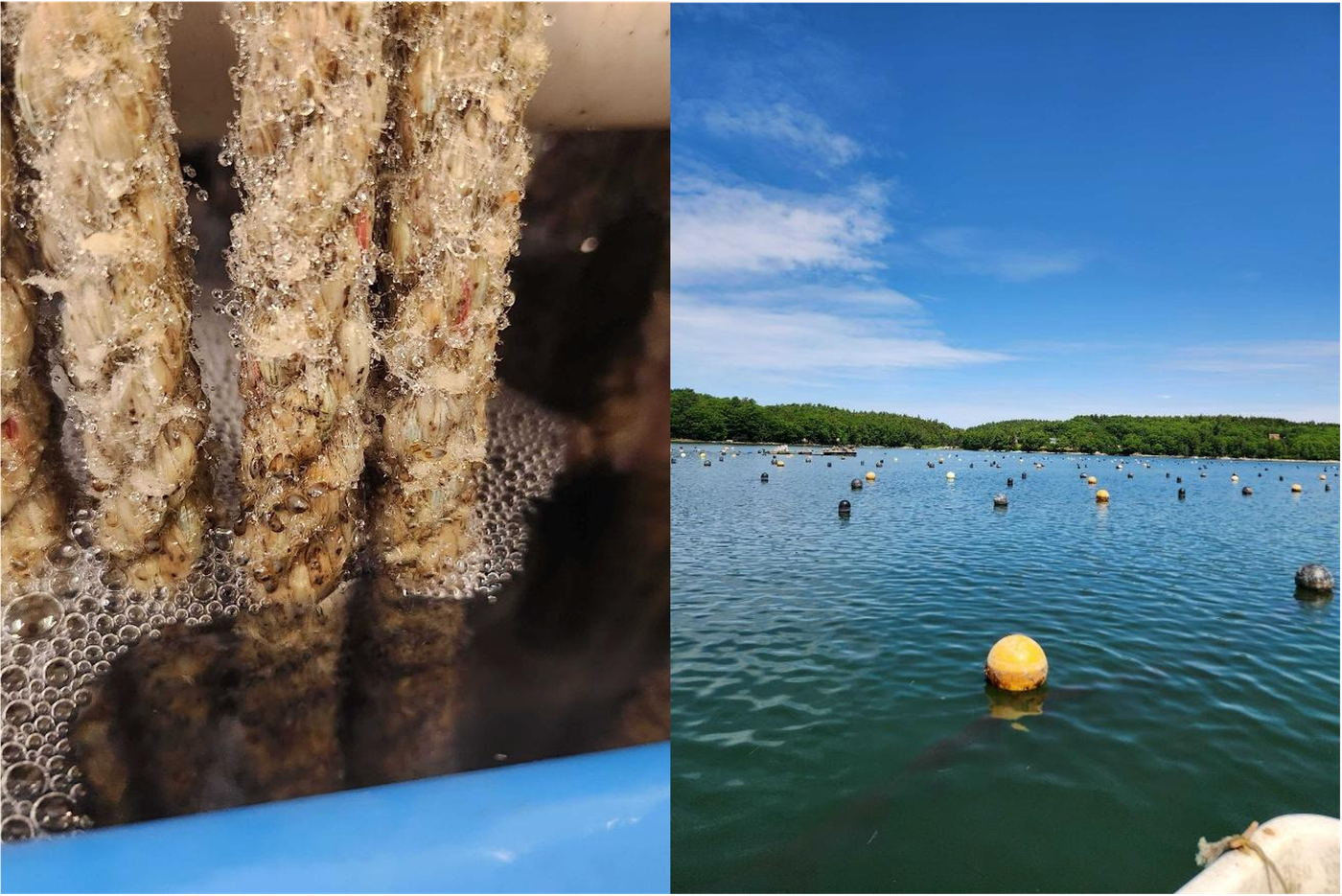
At DEI, the “spat on rope” technique is used. In the process mussel spat are released into settling tanks which have square PVC frames with ropes attached soaking in the seawater. The spat are in the settling stage of metamorphism and are expected to settle on the ropes which are fuzzy or frayed providing a lot of surface area for them. After settling occurs, the ropes are put into larger tanks where the mussels grow on the lines, eating cultured microalgae until they are large and robust enough for transport. Once ready, the “spat on ropes” are put into insulated containers, forklifted onto trucks and taken to the BHBM’s nursery site. The nursey site is also known as the salt pond, which is a protected inlet that has shallow, warmer water, providing a protected space for the first months of a mussel’s life. The salt pond is a BHBM is the only aquaculture farm holding lease space in the salt pond. The “spat on ropes” are transferred to the salt pond and attached to a main support line where they are now considered long lines or grow lines.
From Grow-out To Harvest
The mussels on the grow lines will then self-disperse themselves by “crawling” to the empty main lines to space out from each other. After around five months in the salt pond, typically at the end of August or beginning of September, the mussels are stripped from the lines with the help of a barge and conveyor belt system. The conveyor belt allows for the main lines to be hauled out of the water and the grow lines follow with them. Using this system increases the efficiency of removing the mussels from the lines. The mussels are ‘socked’ to appropriate densities and transported to grow-out rafts at BHBM’s deeper site which they call Hardwood where they will continue to grow for an additional 9-months or until they are ready to be harvested. While farms that rely on wild caught spat must wait until July to collect seed, BHBM gets their first seed delivery in April. This results in a longer growing season for BHBM allowing Maine Gold™ mussels to reach market size in around 14 months.
Future Considerations for the Industry
Climate change has been affecting wild mussel spawning and seed sets in a few different ways. The timing of the spring and fall seed sets are shifting and becoming less predictable making it harder for mussel farmers to know when to put out their seed collection lines. Warming waters have also changed some of the ecological dynamics in the Gulf of Maine waters. Recently mussel farmers in Maine have had to stop collecting mussel seed in the spring due to contamination from invasive sea squirts which also settle around the same time mussels do in the spring. This means that to avoid the sea squirts, mussel farms can only use the fall spawn to collect seed. This is less ideal as that is the start of the slower growing phase in the winter months, increasing the time it takes for mussels to reach market size and losing production efficiency. Fortunately, this issue does not affect BHBM due to the seed being hatchery raised. Utilizing hatchery techniques may be an integral piece to growing our mussel farming industry and ensuring a consistent supply of quality seed will help make our food production systems more resilient.
Innovations articles highlight creative devices or methods on aquaculture farms. They are informed by farm visits and interviews with experienced growers. See our About page for more information.